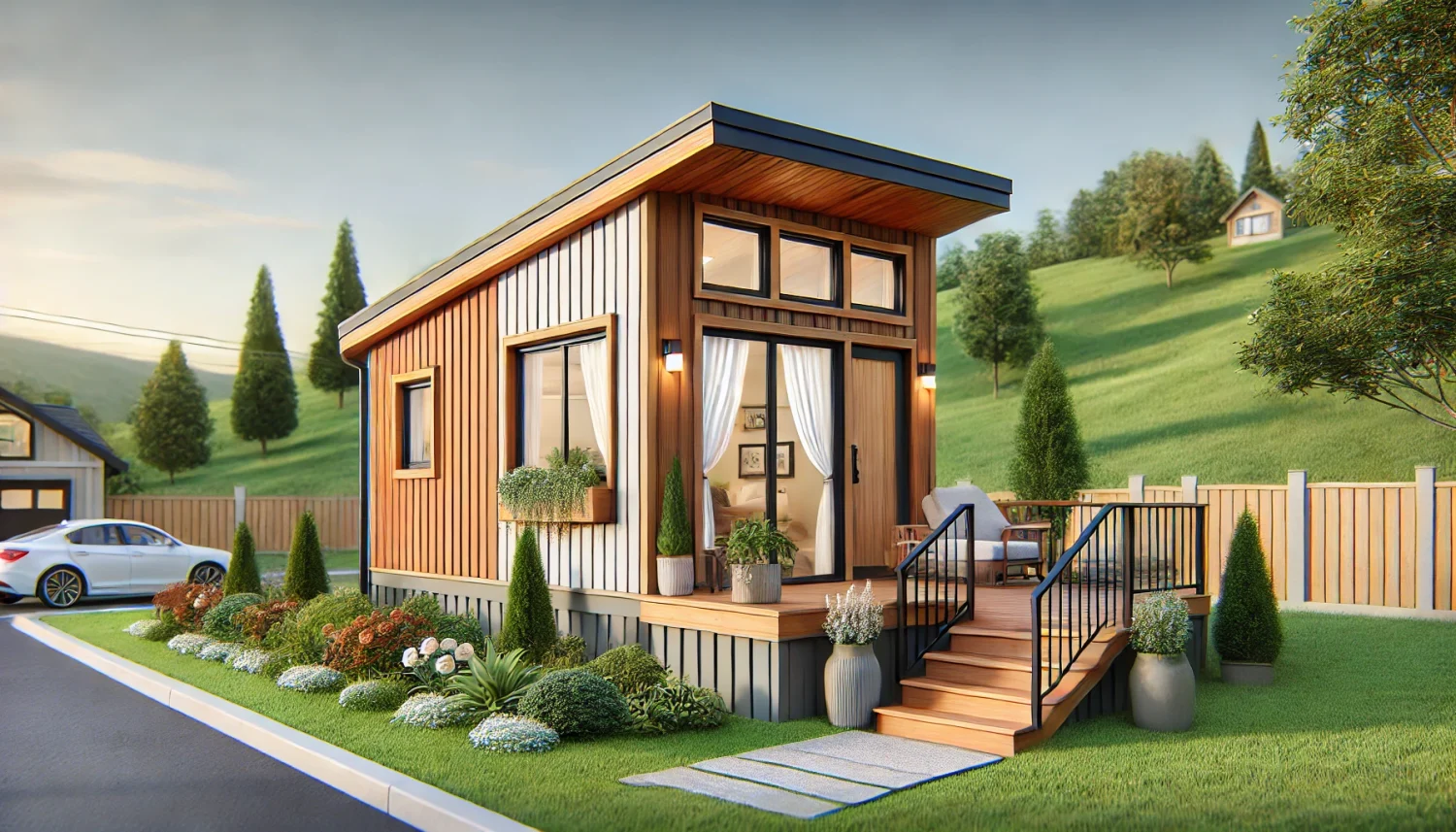
Designing the Perfect Space for Your Tiny House in the Golden Years
Imagine retiring in a cozy, functional, tiny house that allows you to simplify, cut costs, and focus on what matters. Tiny homes offer an enticing option for retirees looking to downsize while keeping the quality of life high. However, not all tiny houses are ideally suited to retirement, and specific designs, especially those with cramped sleeping lofts or narrow stairs, can turn a dream retreat into a daily hassle.
Why Consider a Tiny House for Retirement?
Retirement in a tiny house is appealing for several reasons. First, tiny homes are more affordable regarding initial cost and ongoing maintenance. These homes use fewer resources, take less time to clean, and offer a low-cost alternative to traditional homes or retirement communities. They are also versatile, enabling retirees to own a private space, live on family land, or even move the house to a new location if the desire for change arises.
A tiny house can provide financial flexibility, reduce your carbon footprint, and offer a manageable living space that supports a simpler lifestyle. However, the choice of layout is critical, especially as mobility needs evolve. For retirees, avoiding lofted spaces and designs with lots of stairs can make the tiny house a more comfortable, accessible choice.


Challenges of Traditional Tiny House Designs for Retirement
Many tiny houses are designed with young adults in mind, who can easily climb ladders or squeeze into loft spaces. However, these features often pose challenges for retirees.
- Stairs and Ladders: Climbing up and down ladders or steep stairs is inconvenient and risky as you age. Navigating stairs with limited space or without handrails becomes a particular challenge.
- Low-Ceiling Lofts: Many lofts are so compact that you can’t fully stand up, requiring you to crouch or crawl to access the bed. This is uncomfortable for anyone, but it’s especially troublesome for those with joint pain or limited flexibility.
- Ventilation Issues: Lofts trap heat, making sleeping uncomfortable without proper ventilation or air conditioning. Given the size of tiny homes, ensuring even airflow and a stable temperature is essential for restful sleep.
These designs work against comfort and accessibility, creating barriers for retirees considering tiny living. Instead, a retirement-friendly tiny house layout will prioritize ground-level bedrooms, open layouts, and smart features that make daily life simple and stress-free.
Essential Features for a Retirement-Ready Tiny House
Creating a comfortable tiny home for retirement doesn’t mean sacrificing the charm of tiny living. With careful planning and the right features, you can have a small, efficient space that supports independence and enjoyment in your golden years. Here’s what to look for:
1. Single-Level Living
A single-level floor plan is essential for easy access. Look for or customize a tiny home with a ground-level bedroom rather than a loft. This setup eliminates the need to climb stairs or ladders and makes it easier to move through the house without obstacles.
2. Adaptable Furniture
Every piece of furniture needs to be versatile in a tiny home. Consider adaptable pieces like a daybed that doubles as a sofa, tables that fold away, or pull-out storage units. Built-in storage, such as under-the-bed drawers or shelving integrated into the walls, keeps clutter out of sight while making essential items easy to reach.
3. Smart Storage Solutions
Limited storage can be challenging, especially if you’re downsizing from a larger home. Prioritize built-in storage that maximizes every inch of space. Wall-mounted shelves, hidden storage compartments, and multipurpose furniture can provide ample room for essentials without crowding the main living area.
4. Accessible Bathroom Design
An accessible bathroom is crucial for long-term comfort. Look for bathrooms with a walk-in shower (instead of a bathtub) and, if possible, consider installing grab bars and a higher toilet seat. Non-slip tiles and a seating area within the shower can enhance both safety and comfort, creating a space that supports you as you age.
5. Outdoor Living Space
A well-designed outdoor space extends your living area and can significantly boost your quality of life. Whether it’s a deck, patio, or porch, outdoor space allows you to enjoy fresh air, socialize, or relax in a comfortable setting. It’s especially helpful for tiny homes with limited interior space—an outdoor area provides a valuable extension of your living environment.
6. Efficient Climate Control and Insulation
Tiny homes are more susceptible to temperature fluctuations, so quality insulation and an efficient heating and cooling system are essential for year-round comfort. Energy-efficient windows and well-placed vents can help manage airflow and reduce the workload on your HVAC system, keeping your home comfortable without high energy costs.
7. Natural Light and Ventilation
Natural light is especially important in small spaces, making the room more open and inviting. Large windows not only bring in light but can also provide views of nature, which has been shown to enhance mental well-being. Similarly, good ventilation is necessary to keep the air fresh and maintain a comfortable temperature.
Finding or Building Your Ideal Tiny Home
Consider custom-built and prefabricated models when looking for a retirement-friendly tiny house. Many tiny house builders now offer options designed for aging in place, incorporating features like wider doorways, accessible bathrooms, and easy-to-navigate layouts.
If you’re customizing a tiny house, consider adding handrails where necessary, choosing non-slip flooring, and ensuring the design allows for adequate lighting and spacious passageways. A home that supports aging in place invests in long-term comfort and safety, enabling you to stay in the space you love as your needs change.
Explore floor plans you’ll love at The Plan Collection. Discover what’s trending now.


The Benefits of Retiring in a Tiny Home
Tiny living in retirement has some standout advantages:
- Financial Freedom: A tiny house requires less initial investment, lower monthly expenses, and minimal maintenance costs, freeing up funds for travel, hobbies, or experiences.
- Environmental Impact: Tiny homes are eco-friendly by design. They use fewer resources and typically produce less waste. They also consume less energy because they have smaller spaces to heat and cool.
- Freedom and Flexibility: Tiny homes offer the flexibility to live closer to family or travel. Many tiny houses are built on trailers, allowing you to move your home to a new location if desired.
Embrace Tiny Living, Big Rewards
Choosing a tiny house for retirement is not just about downsizing; it’s about rightsizing to a space that reflects your values and lifestyle. Tiny homes allow retirees to embrace a life focused on experiences over possessions, creating a sense of freedom and flexibility that many find deeply fulfilling.
If the appeal of a simpler, more sustainable retirement lifestyle resonates with you, a tiny house may be the perfect setting for your next chapter. With thoughtful design, you can enjoy the benefits of tiny living while ensuring that your home remains a safe, accessible, and joyful space.
“Your space should support your dreams, not limit them. Retire into a life where simplicity gives you freedom, and every corner of your home is designed to make life easier.”
To learn more about Tiny Living, including tips, design ideas, and community resources, visit TinyLiving.com.
Explore other types of living in our posts: Freedom Year Living: Stay Rooted, Downsize, or Seek Vibrant Community, and Freedom Year Abroad: Key Benefits, Common Challenges, and Expert Tips.






Leave a Reply