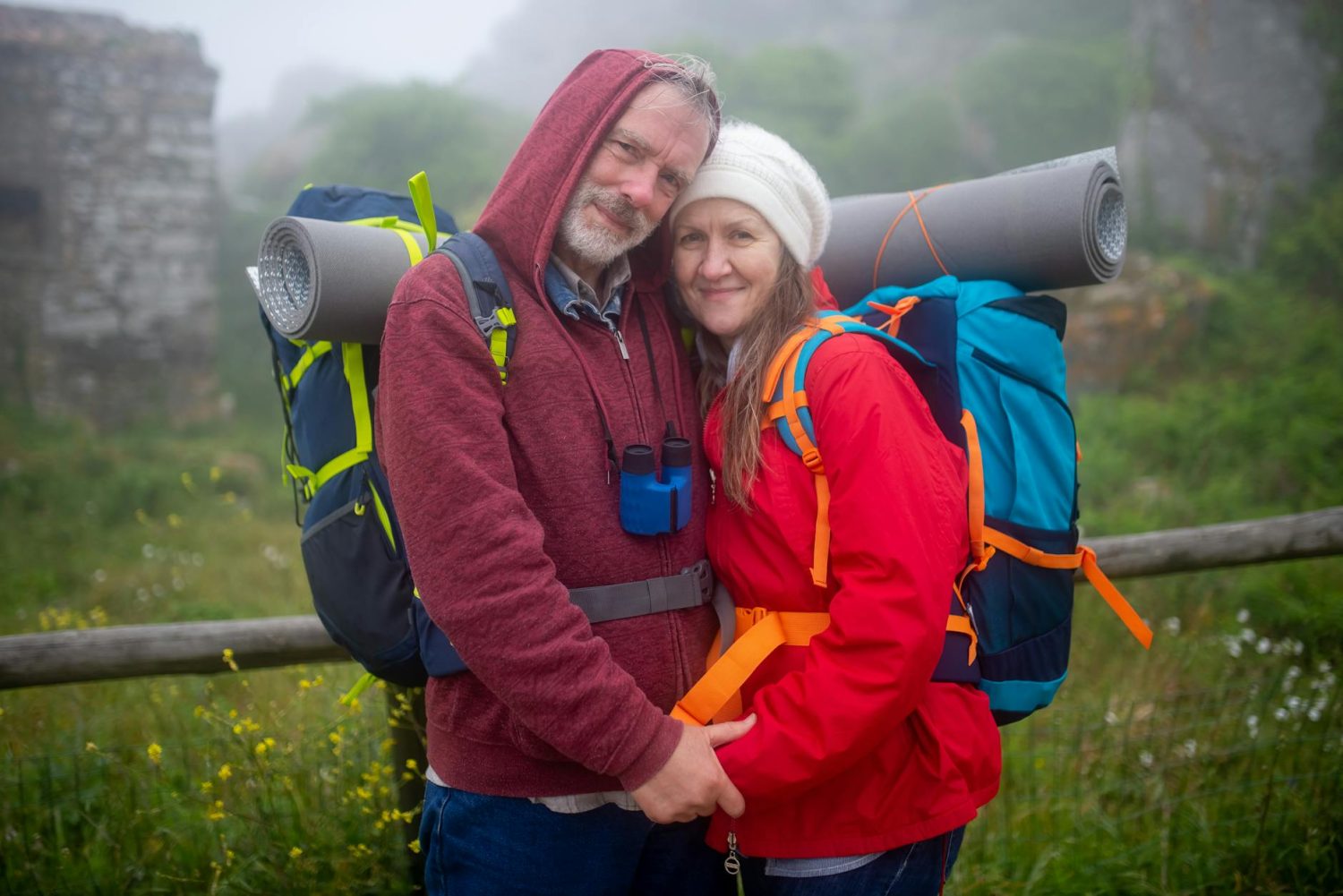
Travel Health Tips for Safe, Healthy, and Enjoyable Adventures for seniors on the Move
As we get older, travel is not only a source of adventure. It also serves as a gateway to staying active. It keeps us curious and socially connected. The opportunity to explore new cultures, enjoy beautiful landscapes, and savor diverse cuisines is exhilarating at any age. Yet, for seniors, health and safety can become key concerns when planning and enjoying travel. This travel health tips provides practical advice for staying safe and healthy on the road. It ensures that your travel dreams are fulfilled without compromising well-being.
Key Takeaways
- Planning & Preparation: Schedule health check-ups, bring necessary prescriptions, and plan for contingencies.
- Stay Active: Keep moving to reduce the risk of blood clots and muscle stiffness.
- Healthy Diet & Hydration: Balance exploration with regular meals, stay hydrated, and be cautious with new foods.
- Sun & Climate Protection: Use protective gear for sun exposure, especially in warmer climates.
- Emergency Preparedness: Have travel insurance, a list of emergency contacts, and know the local healthcare system.

1. Schedule Health Check-Ups Before You Go
Before setting off, book an appointment with your healthcare provider to discuss your travel plans. Many destinations may need vaccinations or medications for protection against local diseases. Updating your general check-up ensures any conditions are managed while traveling. If you have a chronic condition, talk to your doctor about how to manage symptoms while traveling. Consider obtaining a travel health note from your doctor that explains any special needs you may have.
2. Manage Medications with a Plan
Running out of medication in a foreign country can be stressful, especially if access to specific drugs is limited. Make a checklist of all the medications you’ll need. Include over-the-counter items. Pack enough to last for your entire trip plus a few extra days. It’s also beneficial to bring written prescriptions. Include a doctor’s note explaining why you need each medication. This is useful in case of any questions at customs.
- Tip: Always carry medications in your carry-on luggage to avoid the risk of lost bags.
3. Stay Active to Keep Circulation
Long flights, train rides, and car trips can lead to stiffness and even increase the risk of blood clots. Simple stretches, like ankle rotations and shoulder rolls, can be done easily in your seat or during stops. Additionally, taking breaks to walk around is beneficial. Do this every couple of hours on a flight or each time you pull over on a road trip. It can help keep circulation strong and prevent muscle aches.
4. Focus Diet & Hydration
Exploring local cuisines is part of the travel experience, but changes in diet can sometimes be challenging. Focus on moderation and balance by including vegetables, lean proteins, and fiber-rich foods in your meals. Also, staying hydrated is key—many of us don’t realize how dehydrating air travel, warm climates, or busy schedules can be.
- Tip: Bring a reusable water bottle with a built-in filter. This ensures access to clean water, even if local water quality varies.

5. Protect Against the Sun and Changing Climates
Many popular travel destinations have warm or tropical climates. These climates can be hard on the body, especially if you’re not used to them. Protect your skin by wearing lightweight, sun-protective clothing, applying sunscreen every couple of hours, and wearing a wide-brimmed hat. Additionally, try to avoid peak sun hours and rest in the shade as often as possible.
- Cold Climates: If you’re heading somewhere cold, layer up with thermals and pack wind-resistant outerwear. Cold weather can stress joints, so be mindful of any extra aches and take it easy when adjusting.
6. Stay Alert to Hygiene and Cleanliness
Travel exposes you to new environments, which can sometimes mean exposure to unfamiliar germs. Bring along hand sanitizer, disinfectant wipes, and use them frequently, especially after touching communal surfaces. Wipe down airplane trays, armrests, and hotel surfaces. Regularly wash your hands. These actions can help reduce the risk of infections.
7. Prepare for Emergencies
Traveling far from home is exciting, but it’s also essential to be prepared in case of an emergency. Always travel with comprehensive health and travel insurance that covers the specific needs of older adults. Look up the local healthcare facilities at your destination. Keep a list of nearby clinics or hospitals in case you need medical assistance.
In addition, bring along a list of emergency contacts, including those back home and any local contacts. Knowing where you can find help and support can offer peace of mind. It enables you to enjoy your travels fully.
8. Embrace Technology for Health & Safety
Technology can be a lifesaver while traveling. Use mobile apps to set medication reminders. These apps can help locate healthcare facilities. They can also monitor your vital signs if you have a wearable device. There are travel-specific health apps. They offer access to local medical resources. They provide translation services for health terms. These apps also give tips for safe travel practices.
9. Listen to Your Body
The best advice for senior travelers? Listen to your body. Adjust your itinerary as needed—sometimes, taking an afternoon to rest is as rewarding as sightseeing. Travel at a steady pace. It helps you enjoy your destination more fully. This approach keeps your energy levels steady and your health in check.
“Every new place you visit is a page in the story of your life. Embrace each chapter with care, and let health and safety be the ink that brings it to life.”
Final Thoughts
Traveling in your golden years is a celebration of a lifetime of experiences, knowledge, and memories. By taking steps to stay safe and healthy, you’re ensuring that this chapter is fulfilling. You are also empowering yourself to continue exploring, growing, and enjoying life to the fullest. Here’s to seeing the world—safely and healthily!
For inspiration on where to go next, explore our posts: America, Europe, and Asia travel and retirement destinations.
For more in-depth information on travel health and safety, check out this comprehensive guide from the CDC: CDC Travelers’ Health.






Leave a Reply